A modern and effective way of replacing missing teeth
Discover more
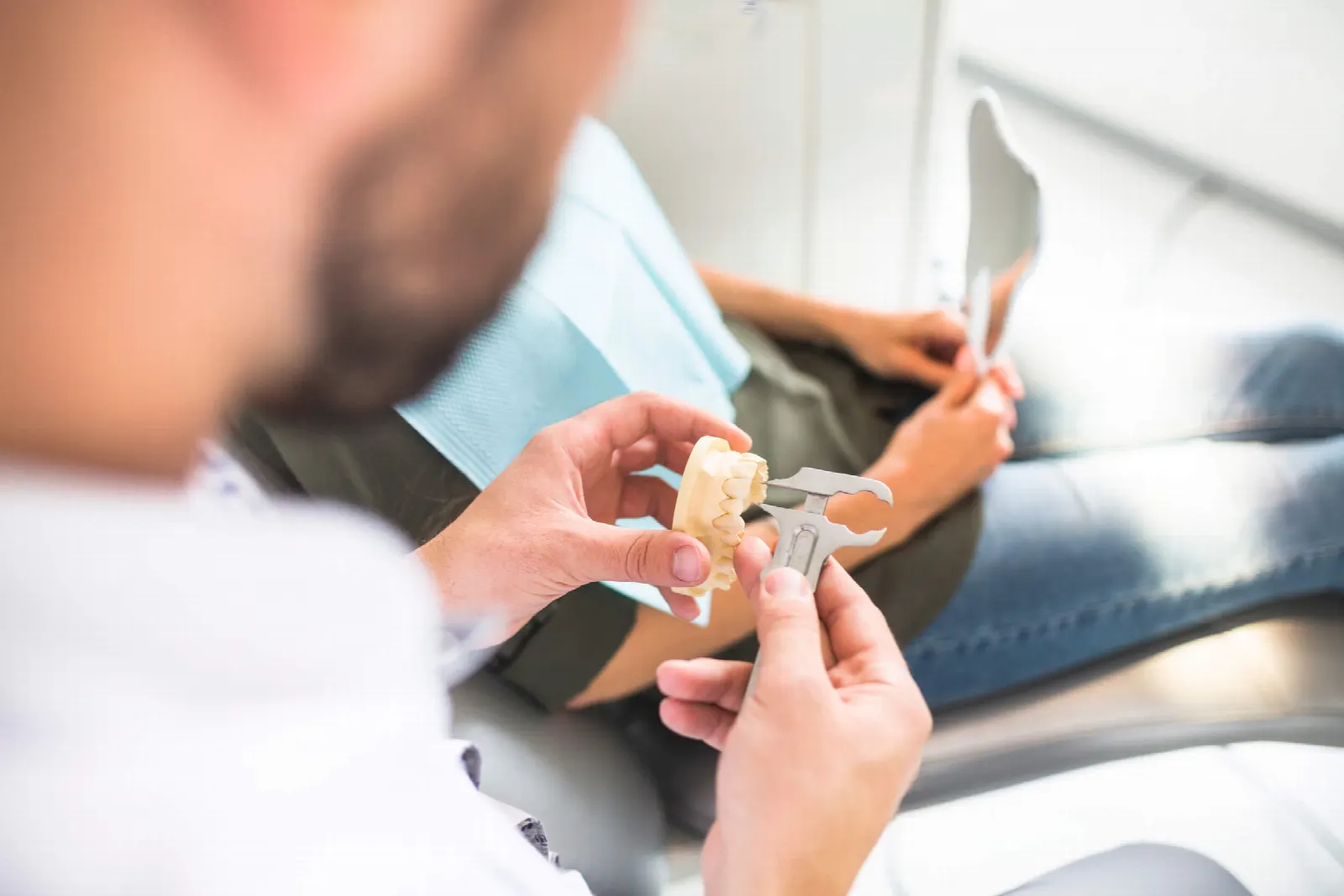
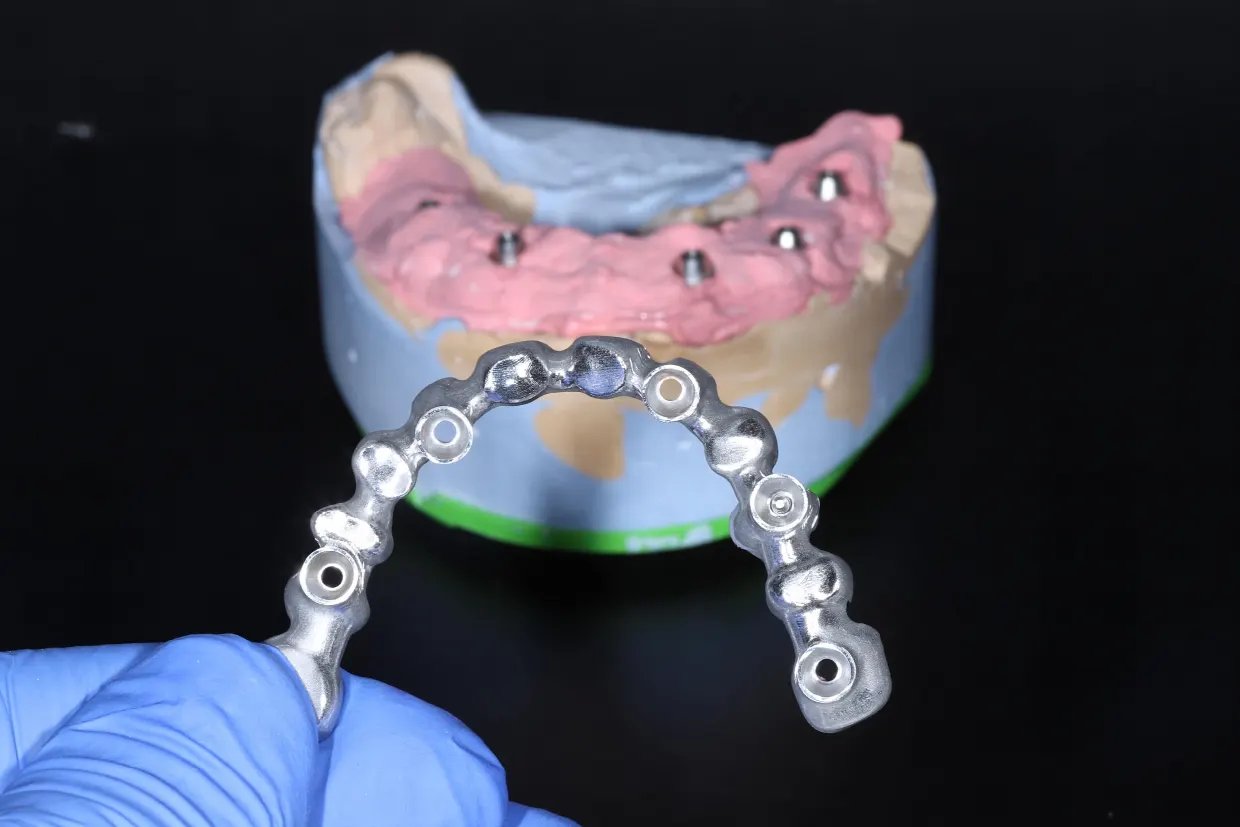
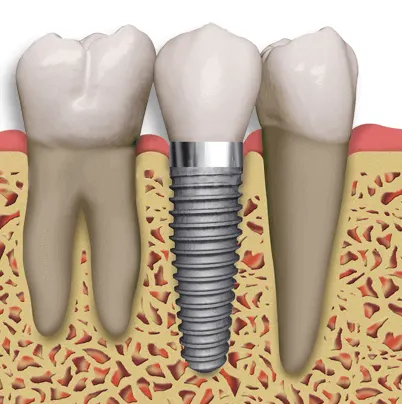
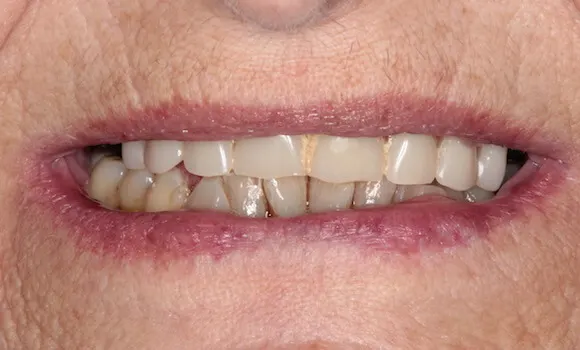
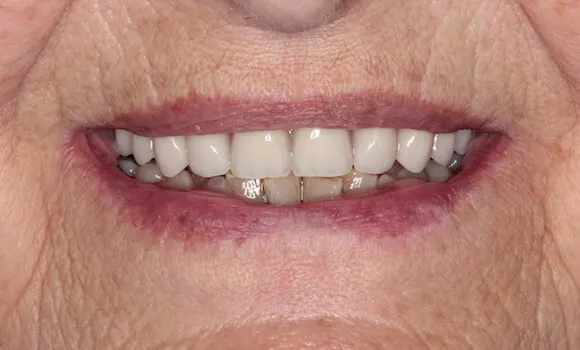
Dental implants represent a modern and effective way of replacing missing teeth. They can replace one or more missing teeth, providing not only an aesthetic, but also a functional benefits. It is a long-term and high-quality solution that will significantly improve your quality of life. Thanks to new teeth, you can not only smile more confidently, but above all, they fully replace the teeth you lost.
1. Initial consultation and diagnosis
During the first session, we will take X-ray images and create a 3D model of the teeth. In addition, we will also check the condition of the soft and hard tissues in the mouth. Any necessary preparatory treatments, such as addressing dental caries, are planned at this stage.
2. 3shape TRIOS
We will scan your oral cavity with the 3shape TRIOS system. Using computer software, we model a surgical template together with temporary crowns, which we print on a 3D printer.
3. Surgical implantation
If necessary, we may perform bone augmentation in order to have sufficient bone tissue. We will then perform an open or closed sinuf lift. This is a procedure where artificial bone granulate is filled into the sinus cavity into which implants are later inserted. In the case of a closed sinus lift, we continue with the procedure, but in the case of an open sinus lift, convalescence is required for a period of 4-6 months.
We also perform plastic surgery of soft and hard tissues as needed.
4. Placement of the abutment and crown creation
In this phase, we put on the abutment, thus establishing the connection between the screw and the crown. Using the 3shape TRIOS, we create a 3D model - an impression for making new crowns.
5. Crown fitting
During your next visit, we will craft crowns according to your requirements. We have a choice of crowns made of metal-ceramic, ceramic, and zircon materials, but it is ideal to decide according to the dentist's recommendation. At the end, we put the crowns on to the implants.
You can find a concise breakdown of all prices in our price list.
It is a more complex and lengthy surgical process. It depends on the number of implants, the size of the interventions, but also the ability of your body to recover. . It can last from 3 to 9 months, during which we will regularly monitor you to see if everything progresses smoothly.
Yes, and this is one of the most common scenarios in modern implant dentistry. This approach is called immediate implant placement—the implant is placed into the socket right after or within a few days of the tooth extraction.
When it is possible
Immediate implantation is suitable if:
When it is better to wait
Immediate implant placement is contraindicated or undesirable if:
In such cases, the dentist may recommend delayed (delayed-immediate) implantation—usually 2–3 months after the tissues have healed.
Advantages of the immediate approach
Is it painful, and how long does it take to heal?
The procedure is performed under local anesthesia and is painless. Afterward, mild swelling and discomfort may occur for 3–5 days. The final integration of the implant with the bone (osseointegration) takes between 2 and 4 months, after which the crown is placed.
How the doctor makes the decision
Before the procedure, a 3D diagnostic scan (CBCT — Cone Beam Computed Tomography) is mandatory. It shows the exact condition, volume, and density of the bone—these specific data determine whether immediate implant placement is possible in your particular case.
What is implant rejection?
Dental implants are made of titanium or zirconia—materials that the human body does not naturally reject. Therefore, classic "rejection," such as what can happen with donor organs, does not occur here. However, an implant can fail to integrate, meaning it fails to fuse with the bone. This fusion process is called osseointegration, and its disruption is the primary issue.
Why does an implant fail to integrate?
The causes are divided into two main categories.
Patient-related factors:
Procedure-related factors:
How do you know something is wrong?
Warning signs that require immediate attention include:
What to do if the implant fails?
The implant is removed, which is a painless procedure performed under anesthesia. After the area heals (usually 3–6 months), a second implantation is successful in the vast majority of cases. If the failure was caused by a lack of bone, a bone graft (bone tissue augmentation) is performed first, followed by the placement of a new implant.
Statistics: According to current data, the failure rate for dental implants is only 1–5% — one of the lowest failure rates among all surgical procedures in dentistry.
How to minimize the risk?
Implants are a reliable and durable way to restore teeth, but they are not a one-size-fits-all solution. Before the procedure, a dentist must evaluate the patient's health status, as there are situations where surgery is impossible or requires prior preparation.
The vast majority of patients are good candidates for dental implants after standard preparation. Even when contraindications are present, a dentist can often find a solution: bone grafting, managing systemic diseases, or choosing an alternative protocol. The final decision is made only after an in-person consultation and proper diagnostics.
Our commitment to regular professional training and investment in new technologies ensures that we provide modern procedures and equipment at the highest level.
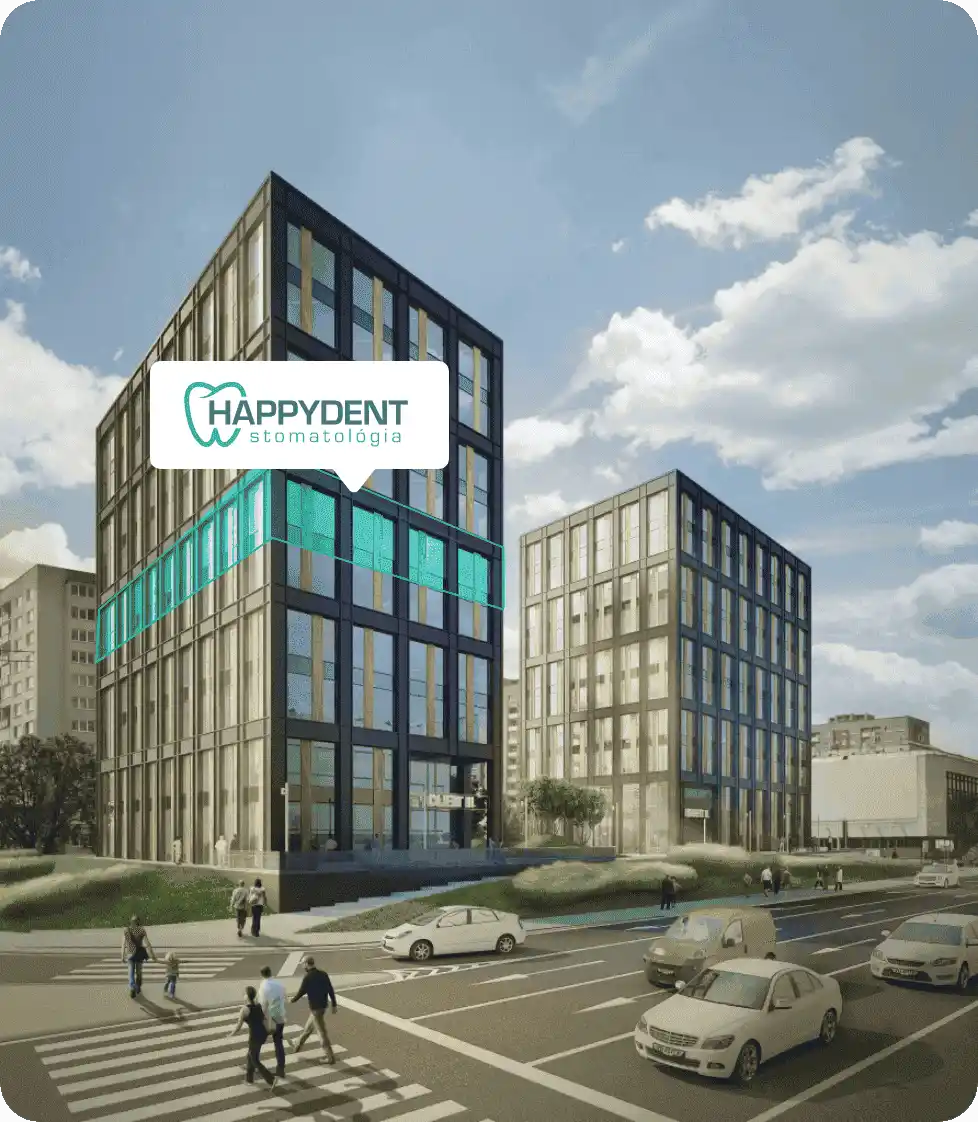
Where can you find us?
3
minutes walk from
the center of Košice
5
minutes walk from the railway station
and bus station
P
parking available in the Aupark building

Where can you find us?
3
minutes walk from
the center of Košice
5
minutes walk from the railway station
and bus station
P
parking available in the Aupark building

Where can you find us?
20
minutes drive from Bratislava
1.
floor in OC Monar Centrum
P
hassle-free parking