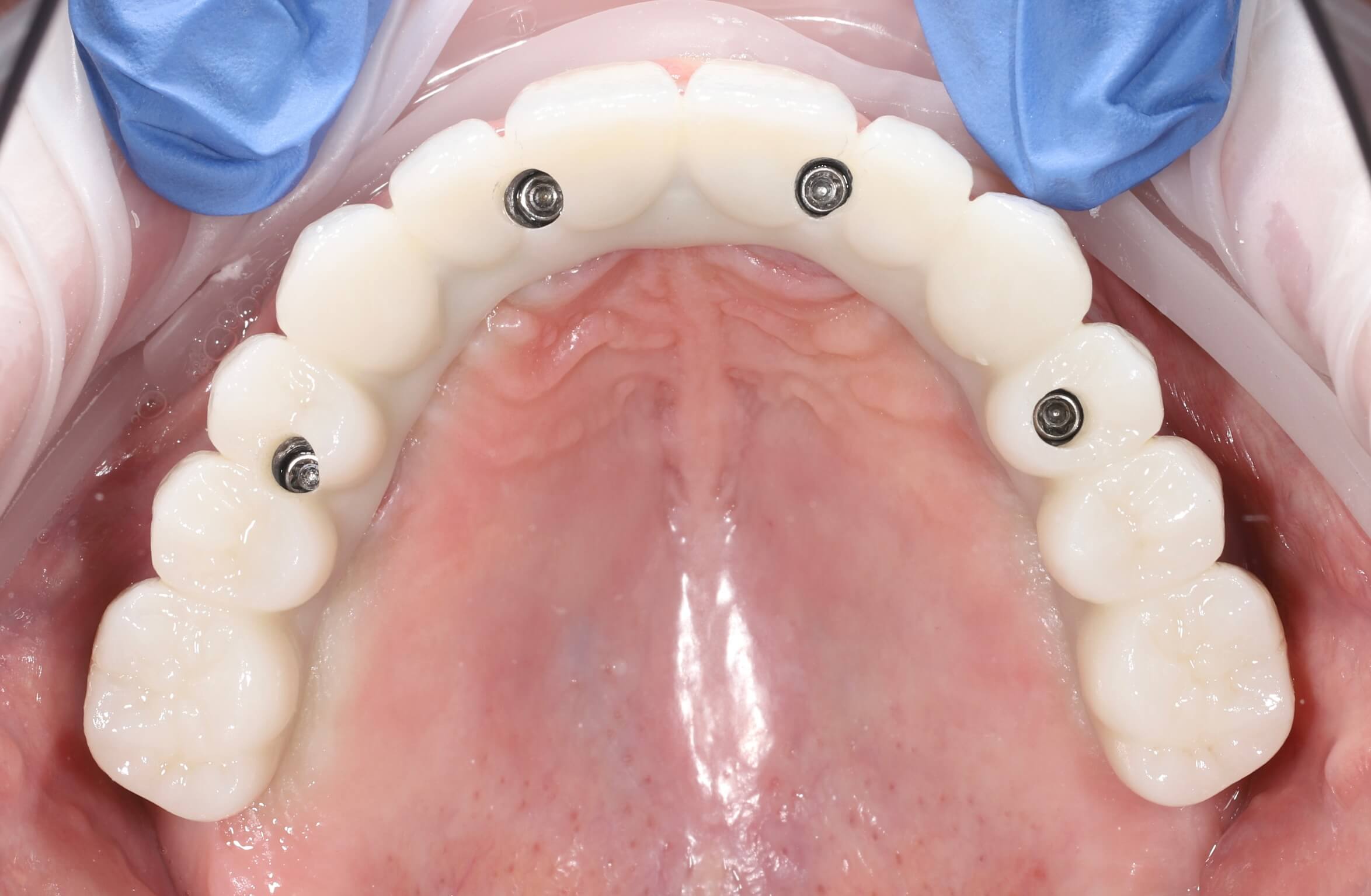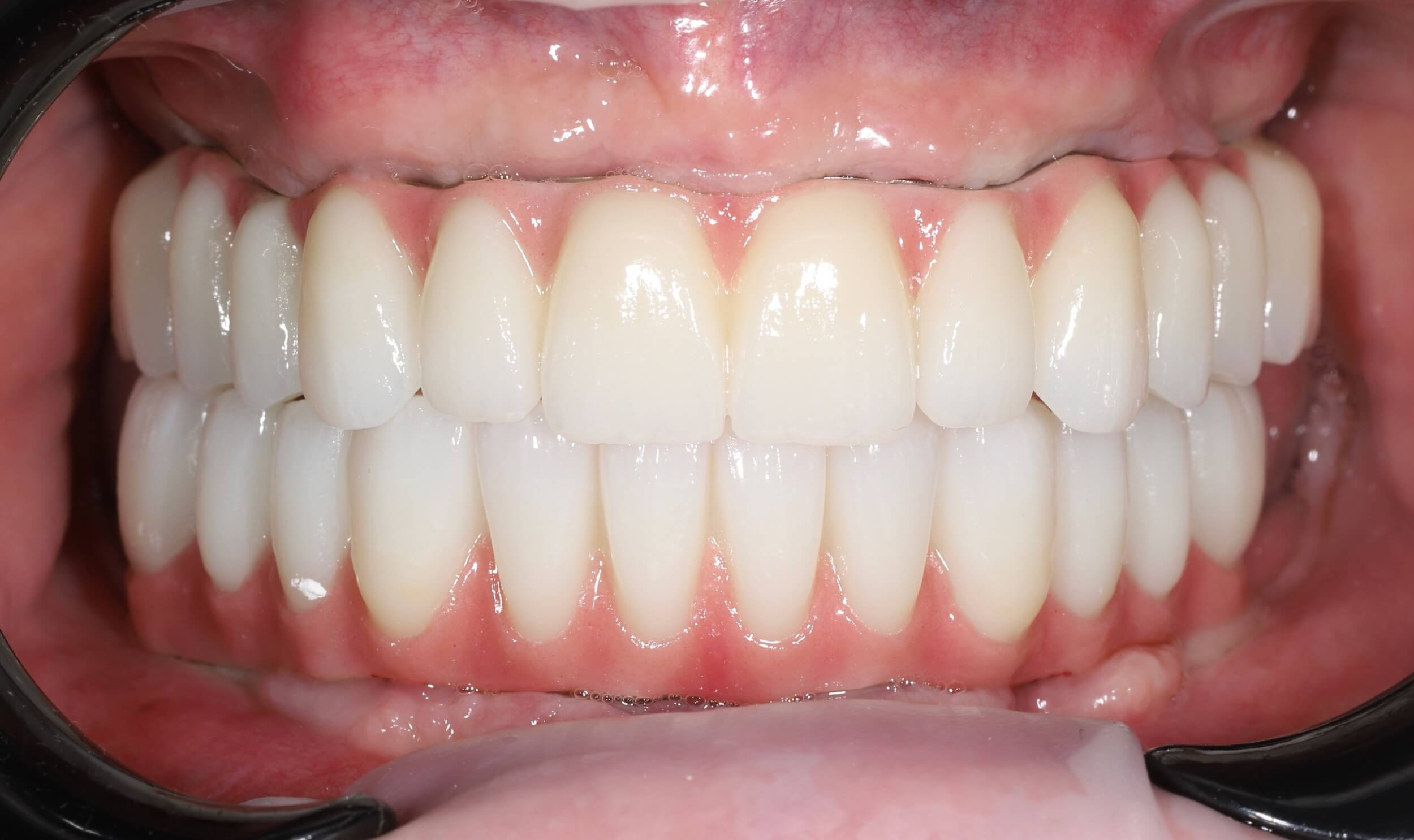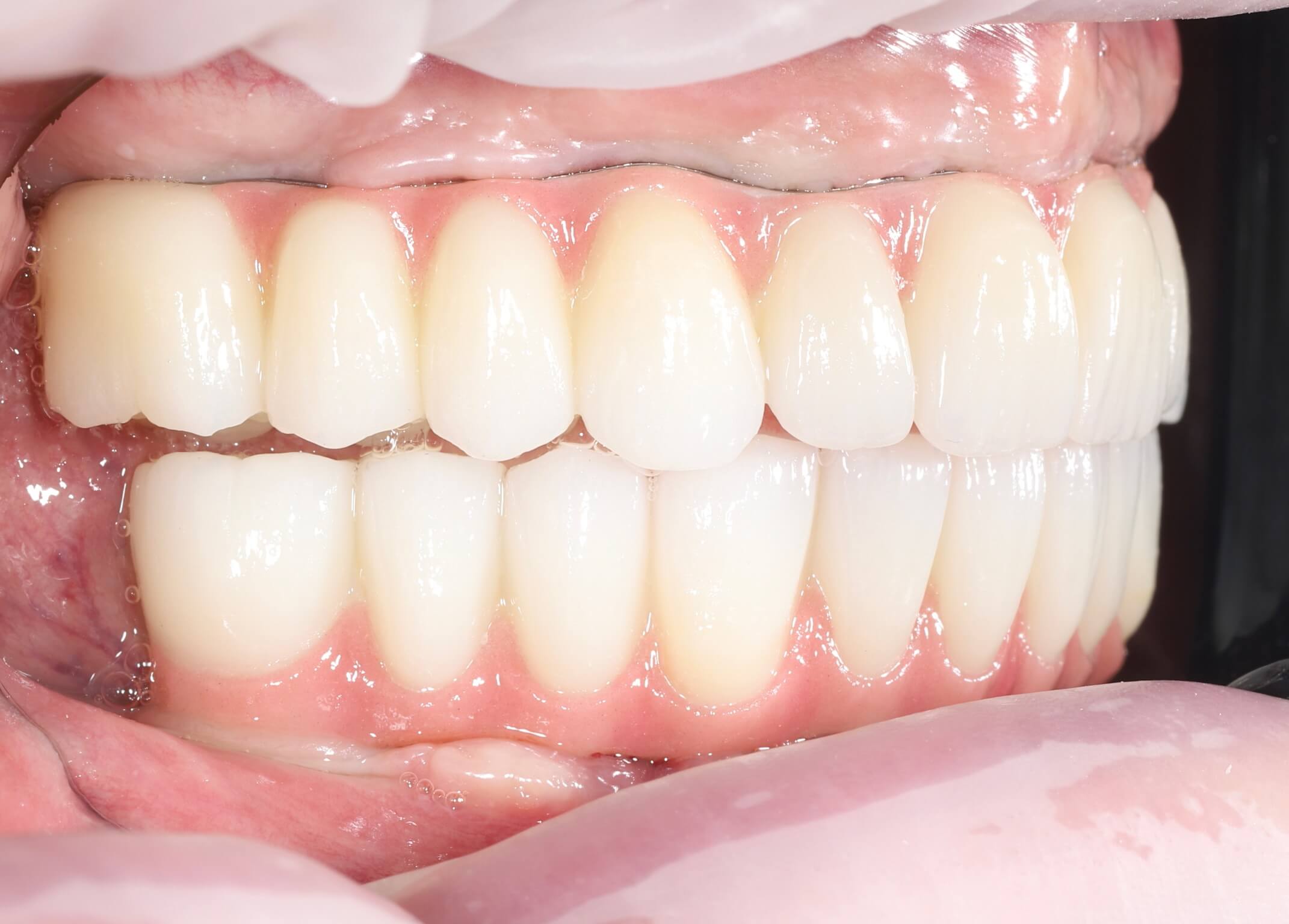
The all-on-4 and all-on-6 Dental Implants in Košice and Chorvátsky Grob near Bratislava
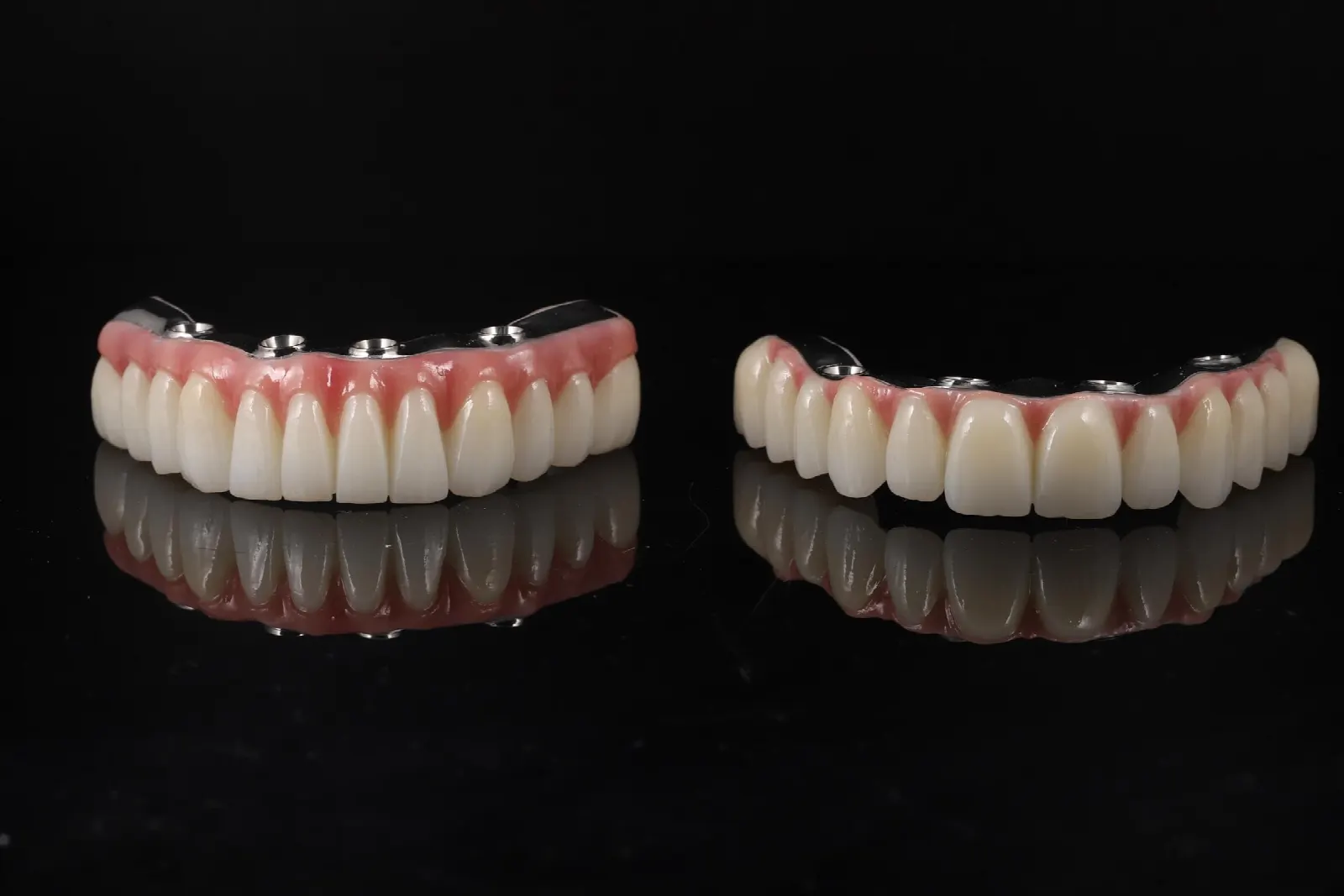
The restoration thus holds firmly on 4 or 6 implants, which are inserted directly into the bone
Discover more
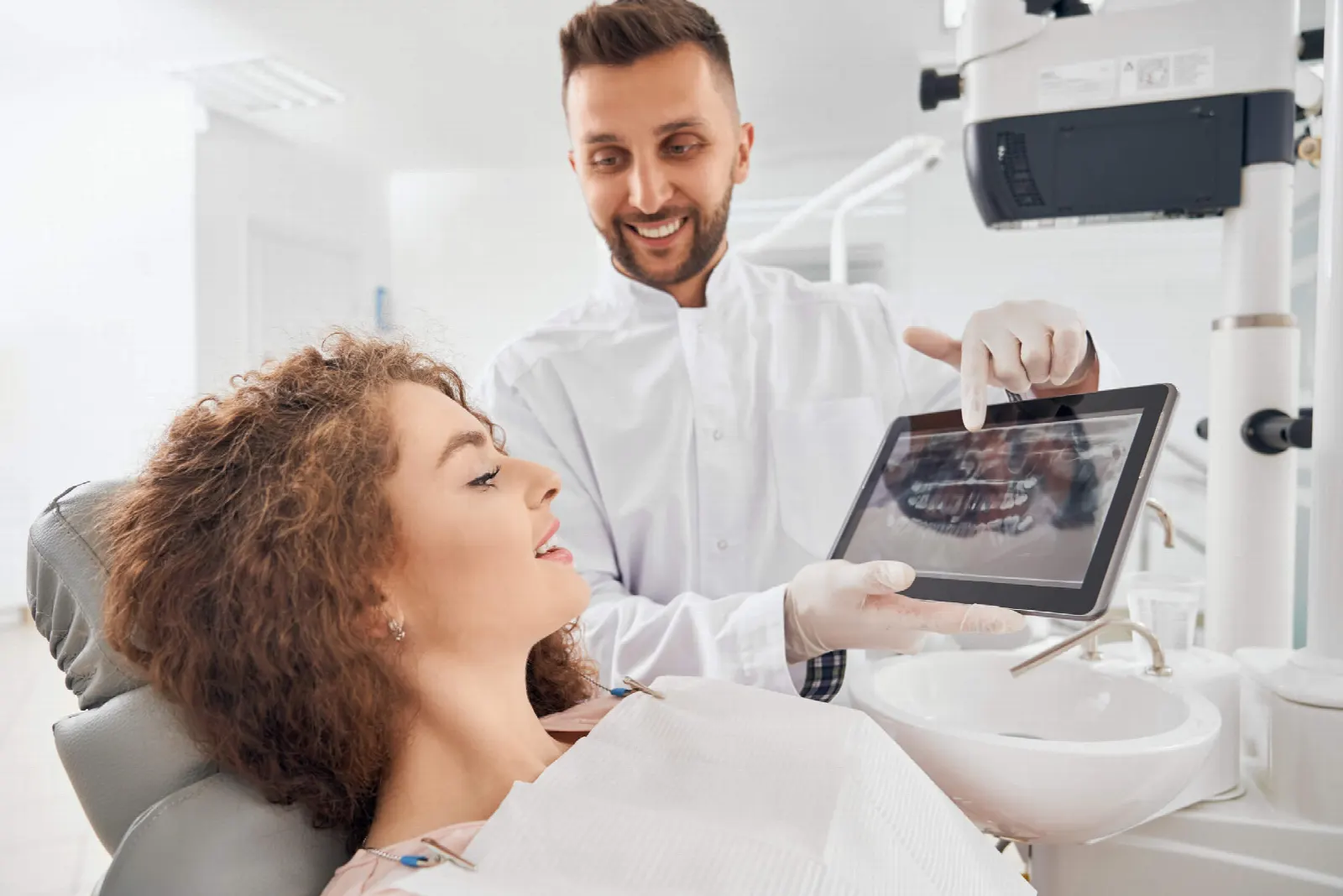
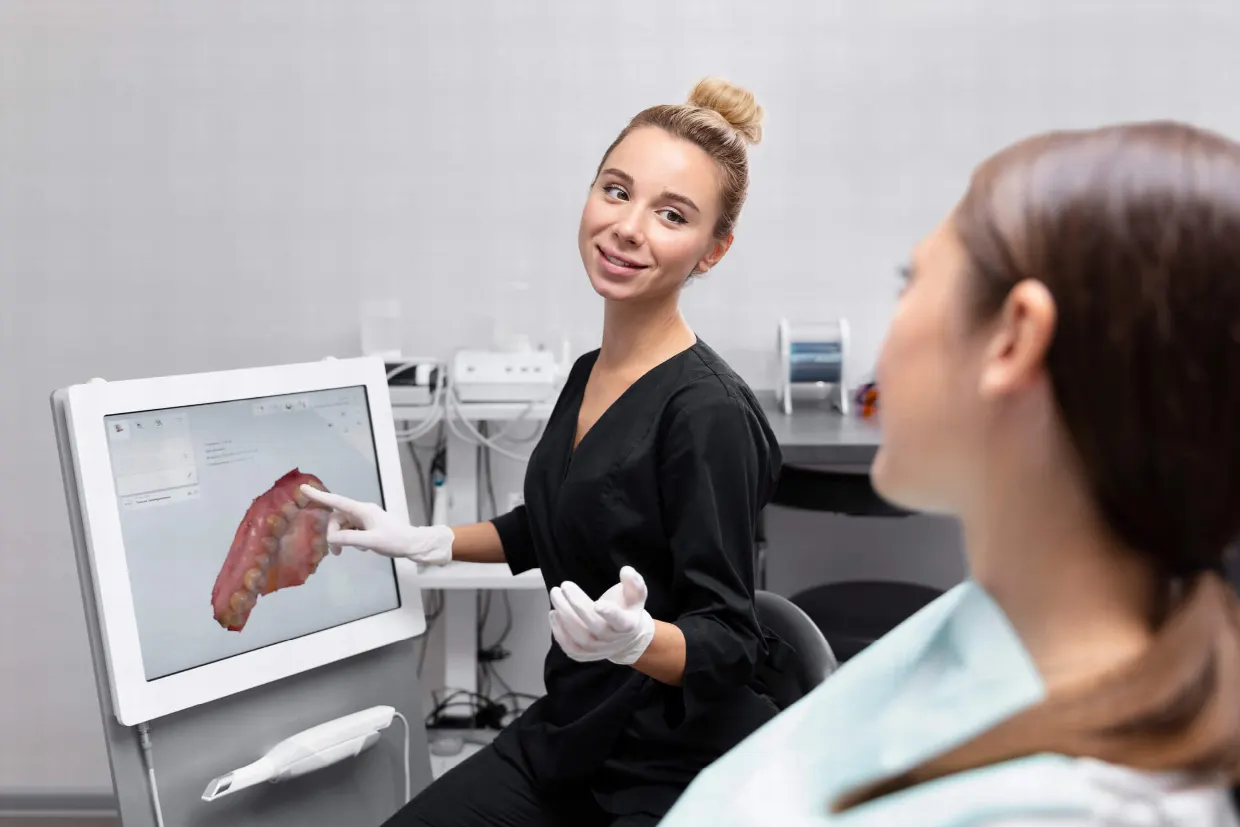
Dental implants are an excellent solution offered by modern dentistry
Thanks to implants, we can replace one or more missing teeth while maintaining functionality and aesthetic quality. But what if you've lost all (or most) of your teeth in one row? The most effective solution will be tooth reconstruction through the all-on-4 or all-on-6 dental implant system.
What are all-on-4 and all-on-6 implants?
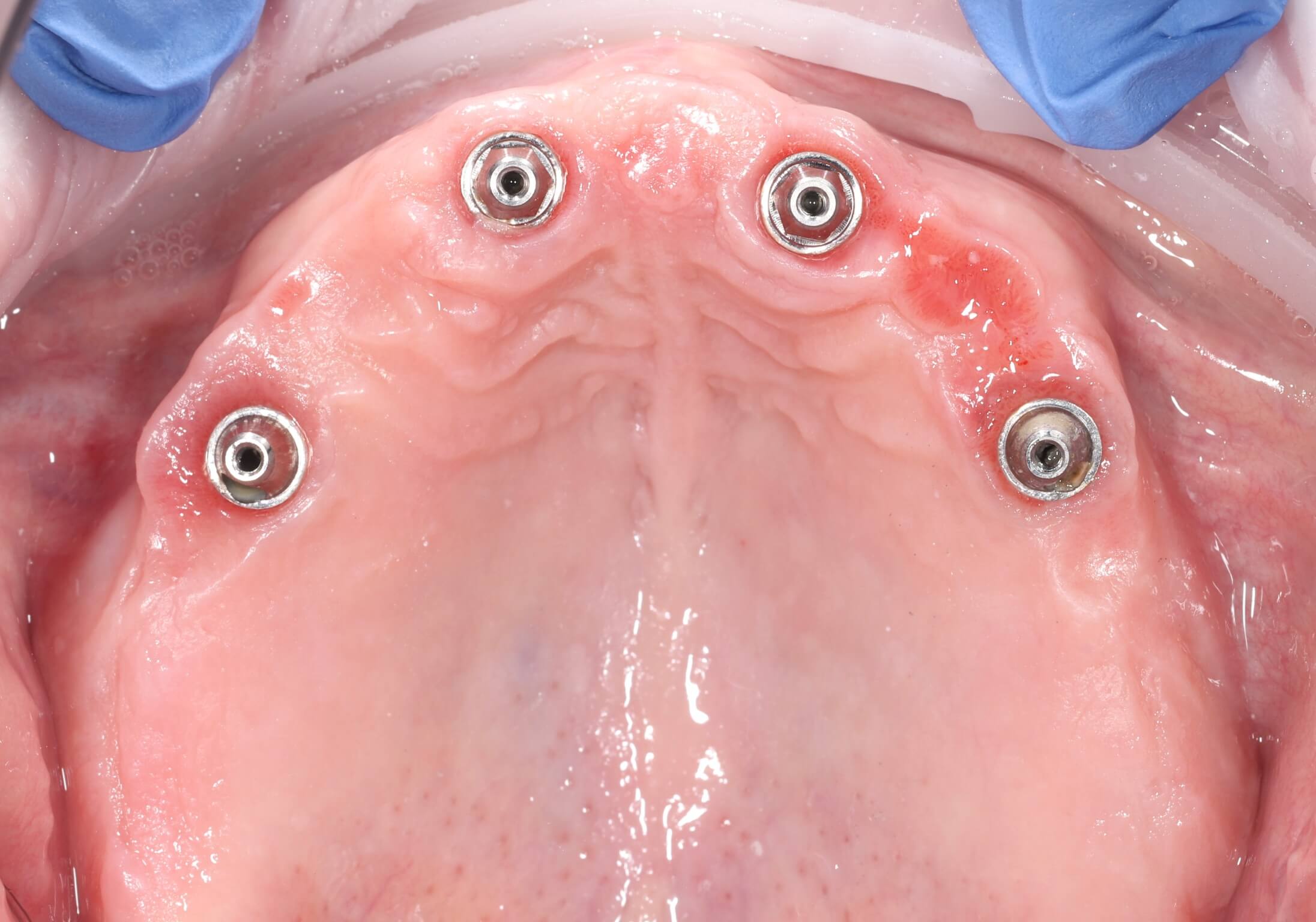
It is a method when 4 or 6 dental implants are applied to the bone. These are evenly distributed around the perimeter of the dental arch so that they perfectly hold the dental fixed bridge. The bridge thus holds firmly on 4 or 6 implants, which are inserted directly into the bone.
The all-on-4 or all-on-6 system thus represents the most advantageous method of replacing all teeth in one dental arch, both functionally and economically. Thanks to fixing the new teeth directly into the bone, the usual worries and inconveniences related to wearing a removable dental prosthesis disappear.
Another asset/benefit is that in standard cases, the implantologist can insert all the implants in a single session. After successful healing, the next step is to produce a custom-made dental fixed implant bridge.
The Advantages of method all-on-4 and all-on-6 Implants
Fast insertion: In standard cases, we can insert all-on-4 and all-on-6 dental implants in a single session. The way to getting new teeth is thus quick and – since we don't have nerve endings in the bone – painless.
A result that will last for many years: The fixed implant bridge, which we attach onto the implants, will turn into your new teeth. If you take good care of them, they will last a lifetime.
Restoring the feeling of having your own teeth: Since the implants are inserted into the bone, you will regain the feeling that you could remember from the days before you lost your teeth.
Improved chewing and digestion: You can bite, chew and taste the food you like without fear. Since the bridge is fixed firmly in your mouth, you don't have to worry about it popping out as a result of chewing. With well-chewed food, you will also help your digestion, which has a positive effect on the quality of your life and overall health.
Aesthetics and self-confidence: Missing teeth disrupt facial aesthetics. Therefore, it is not surprising that many of us feel uncomfortable in the company of others without teeth. With new, moreover fixed teeth, you are not at risk of any social faux-pas and you can smile widely again.
Prevention of bone loss: Dental implants help maintain bone mass in the jaws. This prevents its loss, which is common when using removable denture. Loss of bone mass subsequently causes additional problems when wearing a removable prosthesis.
When shall we opt for all-on-4 and when all-on-6 implants?
There is no universal answer to the question of when do we choose four and when six implants to solve the problems. It is necessary to individually assess the condition of each patient, especially the anatomy of the jaw, the condition and density of bone mass and various other health factors.
A dental fixed bridge placed on 6 implants will naturally be more stable and stronger. On the other hand, all-on-6 implants require more bone mass than all-on-4 ones. Especially for patients who lost their teeth many years ago, the use of all-on-6 implants usually requires additional bone building - so-called augmentation.
Fixed versus removable prosthesis: Not just worlds, galaxies apart…
The basic advantage of a fixed bridge through the all-on-4 or all-on-6 system lies precisely in its fixation to dental implants. There is no danger of the prosthesis popping out when eating or even talking. In addition to strength and stability, there are other advantages:
More comfortable use: A fixed bridge in implants does not press on the gums and palate, so it does not irritate them, nor cause discomfort when worn. It also eliminates the need to use denture fixing glues.
Better taste: Thanks to the solid connection with the bone, you can feel better appetite.
Easier cleaning: Taking care of teeth on all-on-4 or all-on-6 implants is similar to cleaning your own teeth: toothbrush, floss and professional dental hygiene.
Treatment Process
During the first visit, we will insert the dental implants into your bone. You don't have to worry about drilling into the bone - since we don't have nerve endings in them, it's painless.
We will then arrange a follow-up visit to make sure that the implants got fixed and are healing well. If necessary, we will make a temporary denture for you.
The last step is the final inspection of the implants and the creation of a custom-made dental prosthesis. We will make it for you in our own laboratory, and after its installation, you will be able to enjoy a new life with your new teeth.
We will install fixed implant bridge by method all-on-4 or all-on-6 in Košice or in Chorvátsky. Do not hesitate to contact us for more information!
FAQ
Age itself is not a contraindication for dental implantation. What matters isn't the number of years, but the patient's overall health and the condition of the jawbone tissue. Patients in their 70s, 80s, and even older successfully undergo implantation if they meet the basic requirements.
What actually matters
Before the procedure, the doctor always evaluates several factors:
- Bone tissue density and volume: Bone loss (atrophy) can occur with age, especially if a tooth has been missing for a long time. If bone volume is insufficient, this is addressed through augmentation (bone grafting) or by using shorter, or angled, implants that rely on stronger areas of the jaw.
- Overall health status: More important than age is whether the patient has well-controlled diabetes mellitus, managed cardiovascular disease, or treated osteoporosis, or if they take medications that affect healing (such as certain anticoagulants or bisphosphonates). In most cases, treatment can be coordinated with the patient's primary care physician.
- Condition of gums and oral hygiene: Healthy periodontal tissue is a prerequisite for good osseointegration (the fusion of the implant with the bone).
Why advanced age is not an obstacle to healing
The bone healing process slows down slightly in older patients, but with good overall health, it occurs just as reliably as in younger people. Clinical studies show that the success rate of implants in seniors is comparable to that in younger age groups.
When caution is required
The real limitation is not age, but uncontrolled chronic diseases or active treatments that significantly weaken immunity or healing (for example, ongoing chemotherapy or untreated severe osteoporosis with a high risk of complications). In such cases, the doctor will recommend an alternative solution or postpone the procedure until the health condition stabilizes.
How it works in practice
Before implantation, the patient undergoes an initial examination, including a 3D CT scan of the jaw, which precisely reveals the amount and density of the bone tissue. Based on the results, the doctor proposes a specific plan — possibly in collaboration with the patient's general practitioner, especially if regular medication is involved.
If you have questions regarding your specific situation, the most reliable solution is a personal consultation and examination directly at the clinic.
Modern dental implants are made from two main materials: titanium and zirconia ceramics (zirconium dioxide). Both are biocompatible, meaning they are well tolerated by the body and can form a strong bond with it.
Titanium Implants
Titanium has been the most widely used material in implantology for over 50 years. Pure titanium (Grade 4) or a titanium alloy (Grade 5, Ti-6Al-4V), which contains small amounts of aluminum and vanadium for higher strength, is used.
The main advantage of titanium is a phenomenon called osseointegration — the ability of bone tissue to literally fuse with the surface of the implant at a microscopic level. Thanks to this, the implant provides the same firm stability as a natural tooth in the bone. The surface of titanium implants undergoes additional treatment (such as sandblasting, acid-etching, or creating a surface microstructure), which accelerates healing and improves the strength of the bond with the bone.
Zirconia Implants
Zirconia (more precisely, zirconium dioxide, ZrO2) is a ceramic material used primarily for patients who prefer a metal-free solution or suspect a metal allergy. It is white, so with a thin gingival biotype, it does not shine through the mucosa with a grayish tint, as titanium can.
Zirconia implants are extremely strong and corrosion-resistant, but they also have limitations:
- They are less flexible than titanium.
- They are typically manufactured as a single-piece implant (where the implant and abutment form one monolithic unit), which limits prosthetic options compared to two-piece titanium systems.
Which material is better?
There is no universal answer — the choice depends on:
- The condition of the bone tissue and the patient's aesthetic requirements.
- Potential hypersensitivity to metals.
- The type of prosthetic restoration that will be attached to the implant.
In the vast majority of cases today, titanium implants are used because they have the longest clinical history, the most scientific evidence of long-term success, and the widest range of prosthetic solutions. Zirconia is a suitable alternative for specific indications.
The exact type of implant will be recommended by a dentist only after examining the condition of the bone and gums based on a CBCT scan (3D X-ray).
HAPPYDENT Clinic
Our commitment to regular professional training and investment in new technologies ensures that we provide modern procedures and equipment at the highest level.


Where can you find us?
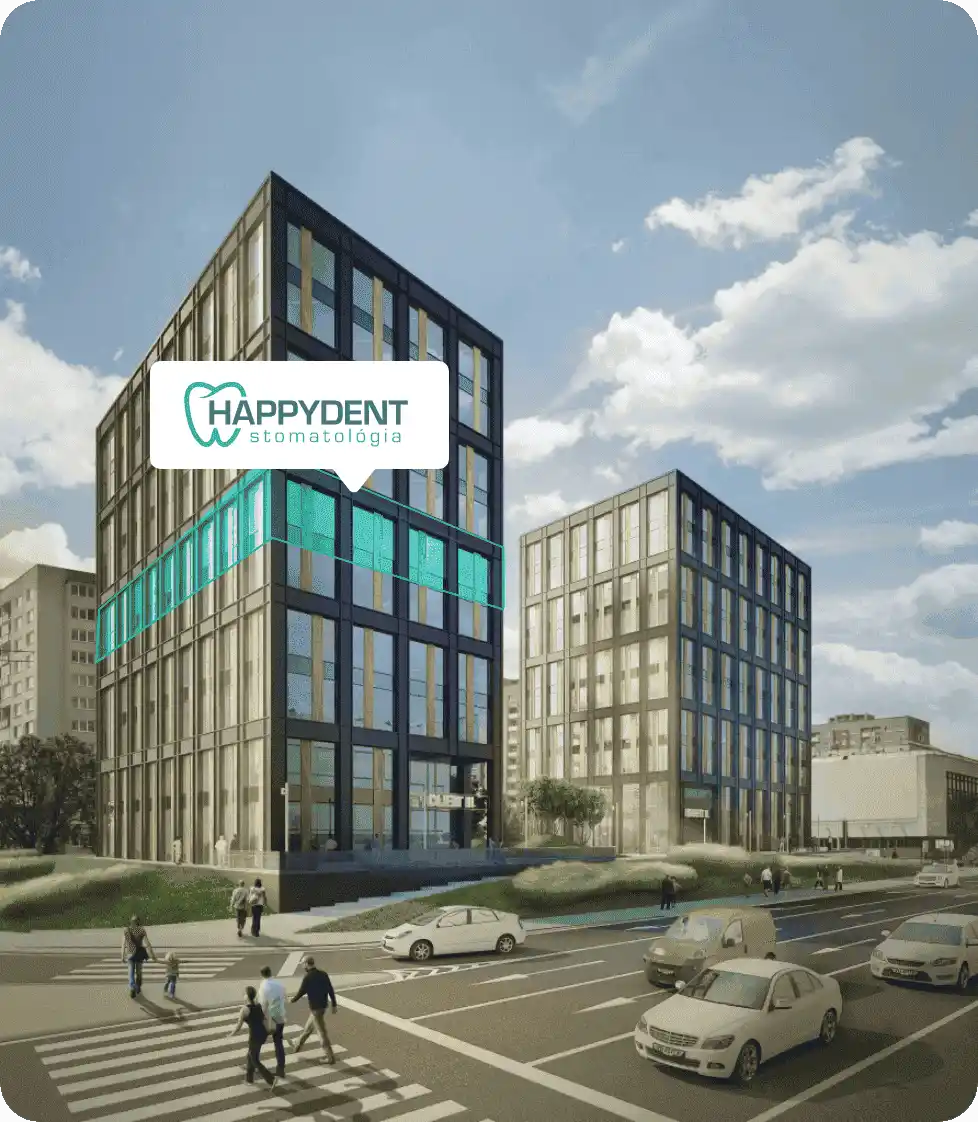
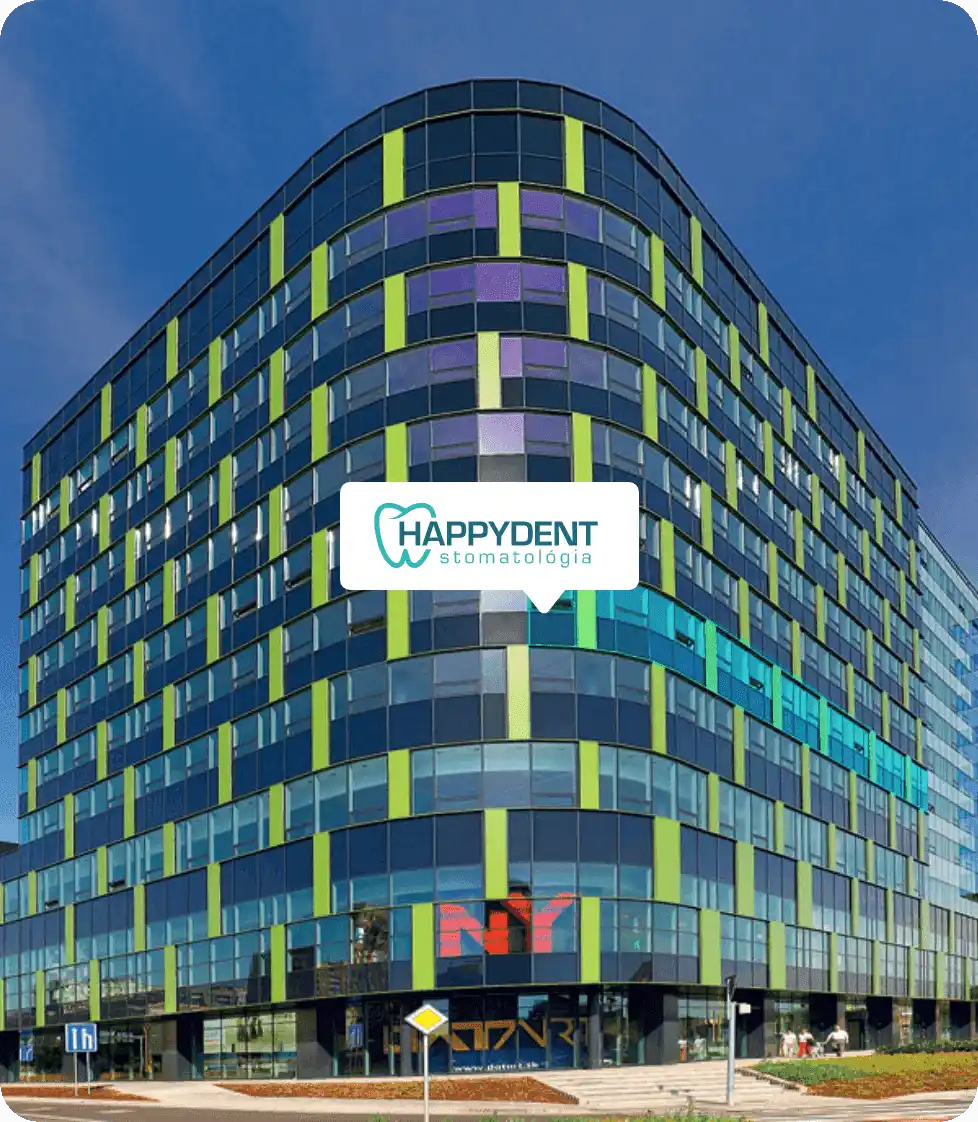
Clinic in the center of Košice – Duett II
Námestie osloboditeľov 3/B
040 01 Košice
Duett II - 5th floor
Mon–Fri: 8:00 – 16:00 Book a term
3
minutes walk from
the center of Košice
5
minutes walk from the railway station
and bus station
P
parking available in the Aupark building
Where can you find us?
Clinic in the center of Košice – Aupark
Protifašistických bojovníkov 11,
040 01 Košice,
Aupark - 4th floor
Mon–Fri: 8:00 – 16:00 Book a term
3
minutes walk from
the center of Košice
5
minutes walk from the railway station
and bus station
P
parking available in the Aupark building
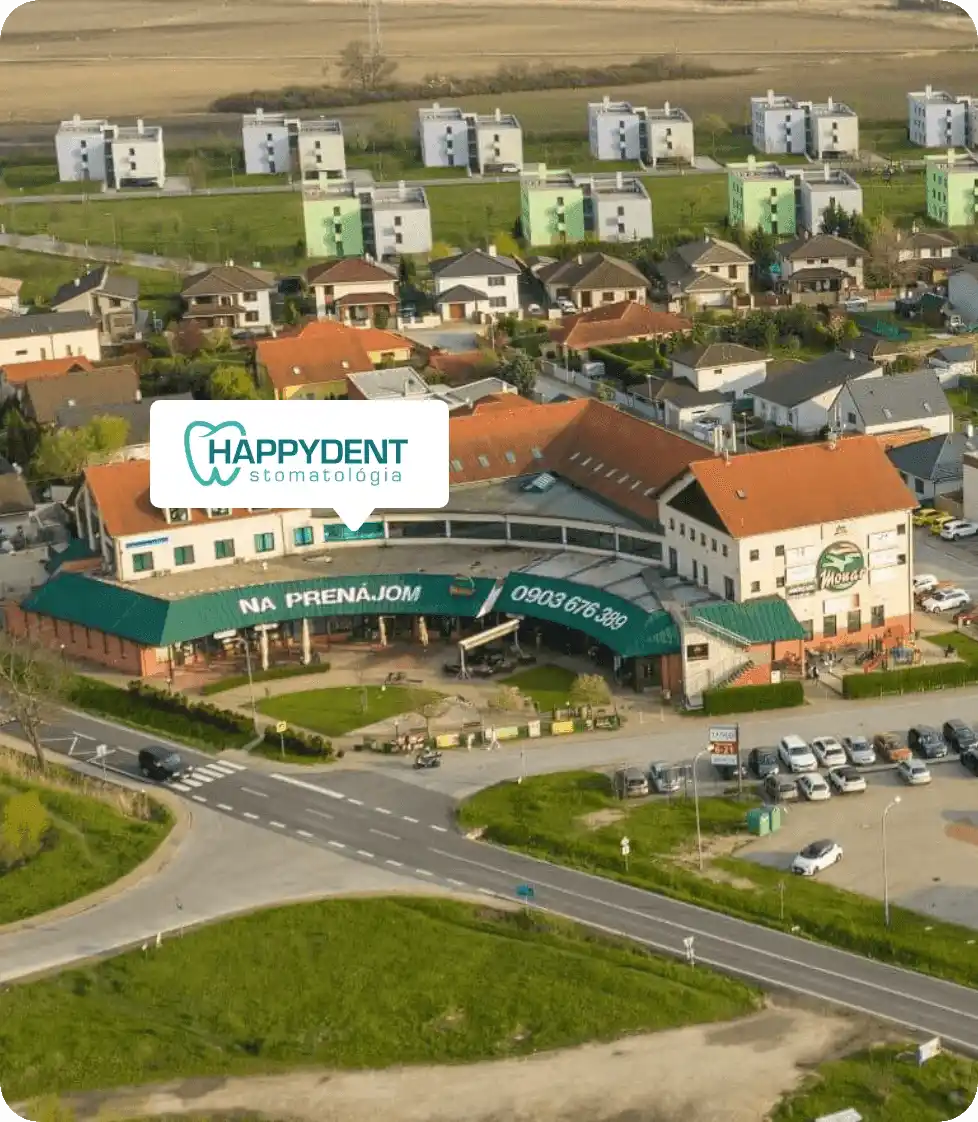
Where can you find us?
Clinic in Chorvátsky Grob near Bratislava
Rubínová 1,
900 25 Chorvátsky Grob
Surroundings of Bratislava
Mon–Fri: 8:00 – 16:00 Book a term
20
minutes drive from Bratislava
1.
floor in OC Monar Centrum
P
hassle-free parking